
Dhi Hair Transplant
What Is DHI Hair Transplant?
Hair loss is a very common issue for many people. Over 85% of men suffer from hair loss by the age of 50, against 50% of women. Multiple solutions and several techniques have been discovered during the past few years, and one of the recent and most effective techniques is the DHI method.
A hair transplant surgery is basically done by transferring hair follicles from the healthy area to the bald area. The doctor extracts the hair follicles from the back of the head, called the donor area, and implants them into the bald areas, where they will grow new hairs.
Direct Hair Implantation, commonly known as DHI, is the latest improved version after the “Follicular Unit Extraction,” FUE, hair transplantation technique; it follows the same procedure. There are, of course, some essential differences between these two techniques. One of the crucial differences is that in the FUE Technique, the doctor first needs to open hair channels and then implant the individual hair follicles. However, in the DHI procedure, the doctor opens the hair channels and implants in the hair simultaneously.


DHI Techniques
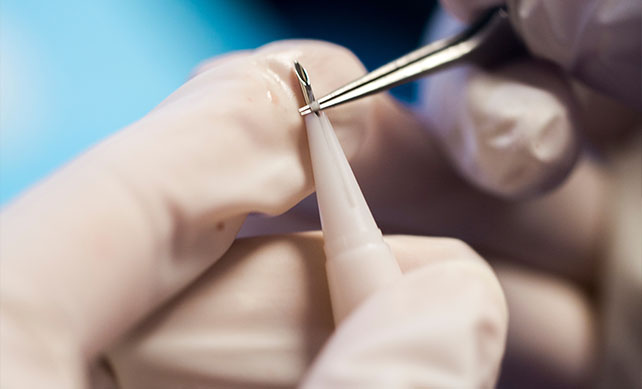
During the DHI hair transplant procedure, after extracting the hair follicles from the donor area, the doctor opens channels and implants the grafts directly and simultaneously into the recipient area with the Choi Implanter Pen. The whole process takes about 6 to 8 hours, and up to 3500 extracted follicles can be implanted.
Two main techniques of the DHI method can be performed, depending on the case and the results that the patient is seeking:
1. Mega DHI Technique
The Mega DHI technique allows us to implant up to 7000 hair follicles, performed over two sessions over two consecutive days. This hair transplant method gives more density.
2. Extremely DHI Technique
The same steps are used for the Extremely DHI technique. However, this method enables the doctor to transplant up to 5000 hair follicles within 12-15 hours over one single session.
Candidates For DHI Hair Transplant
The DHI technique for hair transplantation is usually required in some instances as it is unsuitable for everyone. Men and women with androgenic alopecia areata, commonly called male or female pattern hair loss, are generally the best candidates for DHI hair transplantation.
To be a suitable candidate for hair transplantation with the DHI technique, here are the required characteristics:
- Age: The candidate should be over 25 years old; hair loss can be more unpredictable before this age.
- General Health: The candidate must be in good health.
- Hair density: The patient’s donor area should have enough follicles per square centimeter to suit the hair transplant.
- Hair diameter: Generally, people with thicker hair achieve better results than those with thinner hair.


Pre-Procedure Instructions For DHI Hair Transplant
Like all operations, DHI hair transplantation requires some preparations to ensure a successful hair transplant and to avoid any side effects. Here are some of the essential instructions that the patient should follow carefully:
- Refrain from drinking alcohol at least a week before the hair transplant, as it weakens the effect of the anesthesia.
- Stop smoking for at least two weeks before the hair transplant procedure.
- Refrain from taking blood thinners, such as natural drinks like green tea.
- Stop taking painkillers such as aspirin and ibuprofen ingredients.
- Follow a healthy and balanced diet before the DHI hair transplant to avoid any complications that may occur during or after the operation.
Post-Procedure Instructions For DHI Hair Transplant
Once the operation is done, aftercare is essential to get successful results. After having the hair transplant and during the hair restoration period, the patient must carefully follow the instructions below:
- Keep the head straight and avoid bending it as much as possible for three days to prevent the forehead and eyes from swelling.
- Wear a headband for 48 hours to avoid swelling.
- Refrain from washing the hair for three days after the procedure
- Refrain from swimming in the sea for three months and in the pool for two months to protect the newly implanted follicles.
- Stay away from direct sunlight, heat, rain, dust, and high humidity for at least a month, and preferably wear a medical hat when going out.
- Refrain from smoking for at least two months after the procedure as it hinders the growth of the follicles, leading to their fall.
- Use medical shampoo only when washing the hair; avoid using chemical shampoo.
- Refrain from going to a Turkish bath, steam bath, or sauna for a month at least since they harm the follicles.
- Maintain having the required treatments and medications prescribed by the doctor, as they help quickly heal the wounds and increase hair follicle growth. Refrain from sexual intercourse for a week.
- After a short time, the patient can return to work and to their daily activities.



FAQ
Q1: What is DHI hair transplant?
DHI hair transplant is a hair restoration technique that involves the use of a specialized tool called a Choi pen to extract hair follicles from the donor area and implant them into the recipient area without the need for incisions or sutures.
Q2: How much is DHI hair transplant?
The cost of DHI hair transplant can vary depending on several factors, including the number of hair follicles that need to be transplanted, the location of the clinic, and the experience of the surgeon. In general, DHI hair transplant can cost anywhere from $3,000 to $15,000 or more.
Is DHI hair transplant good?
DHI hair transplant has shown to be an effective hair restoration technique, and it can produce natural-looking and permanent results. However, as with any surgical procedure, there are risks and potential complications that should be discussed with a qualified surgeon.
BLOG
In this blog, we ll explore what Infinity Botox is, how it works, who it s best suited for, and what makes it different from standard Botox treatments.
NEWS
Infinity Botox Surgery is a revolutionary way to achieve smoother, younger-looking skin while maintaining your natural expressions.